Payment Experience · Product Design

Making complex payments feel simple.

Evolving a payment checkout to support multiple payment methods, user scenarios and regulatory requirements without passing that complexity to the user.

RoleProduct Designer
ScopeProduct Design · UX/UI · Interaction Design ·
User Flows · Responsive Design
CollaborationProduct · Engineering · Business · Compliance
TimelineMulti-year product evolution
The challenge

What started raw became a much bigger system.

What started as a relatively linear payment journey evolved as new payment methods, user scenarios and technical requirements were introduced.

The challenge was not simply adding new features, but keeping the experience understandable as the system behind it became increasingly complex.

01
The starting point

A relatively linear Open Banking journey.

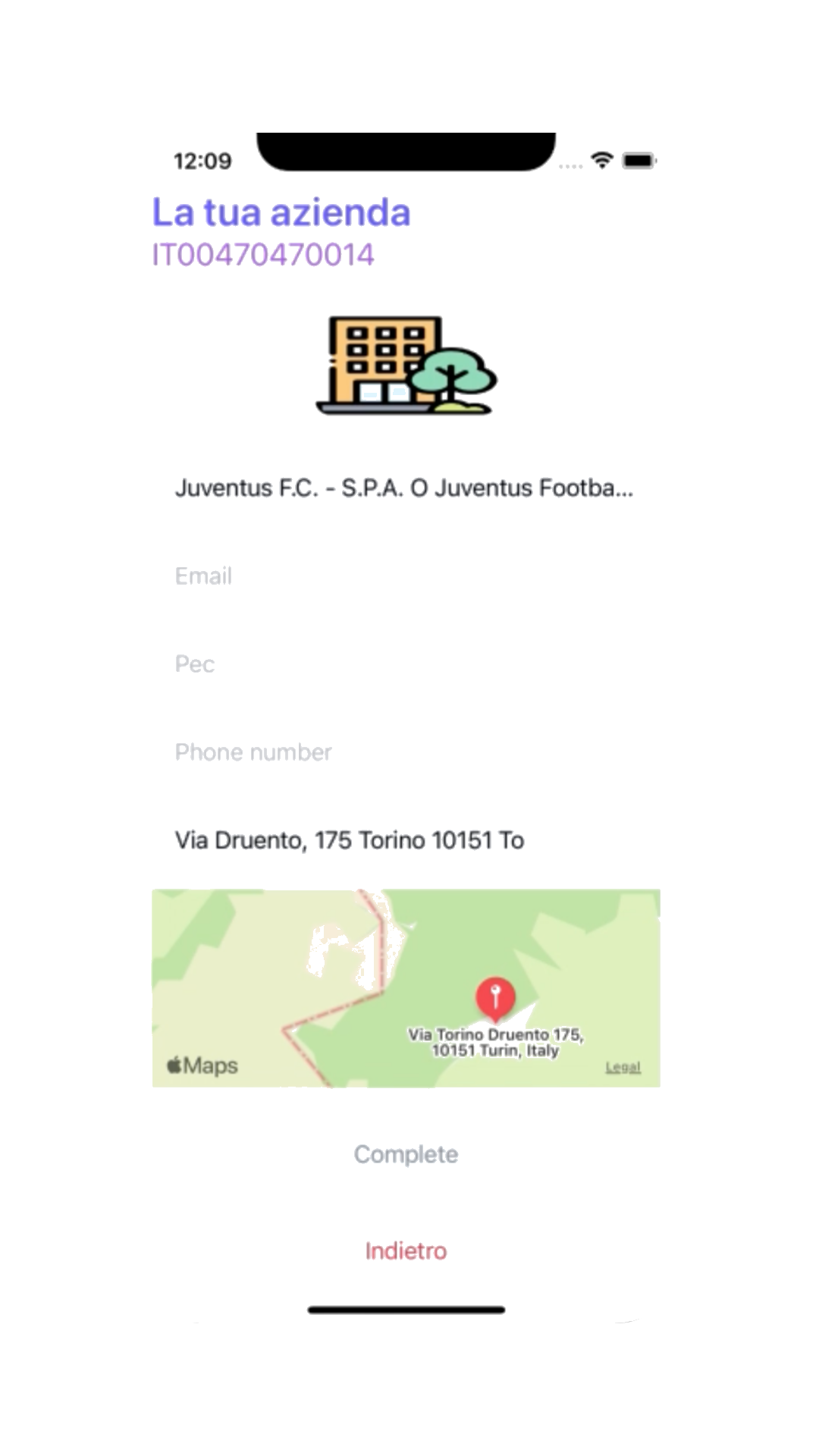
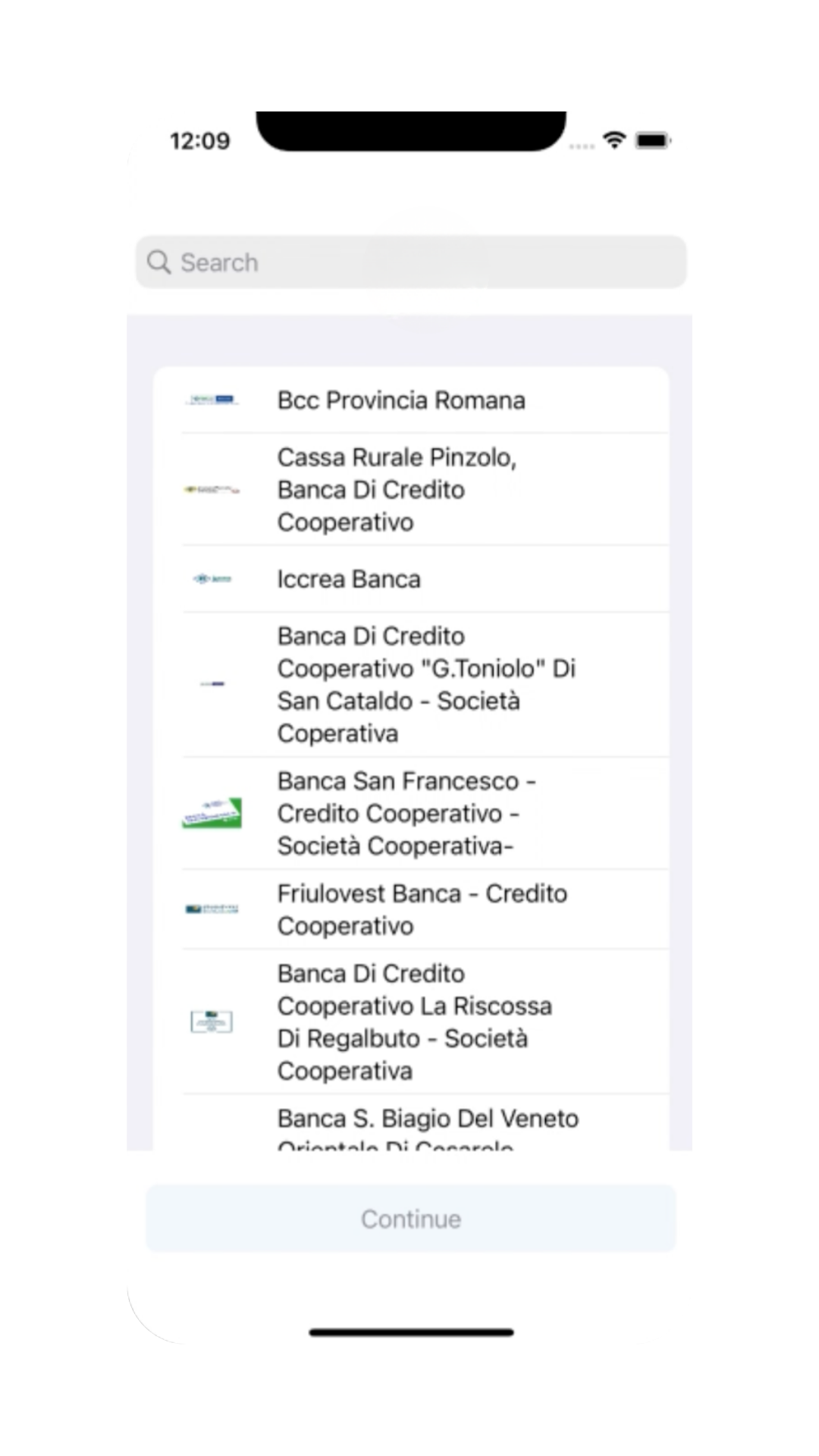
The first version handled authentication, company information, and bank selection as separate steps. Overall, the experience was fragmented and lacked a clear design direction. The main goal at that stage was simply to make each part work, rather than designing them as pieces of a cohesive product. As the checkout evolved and became more complex, this approach made it increasingly clear that a more structured and unified experience was needed.

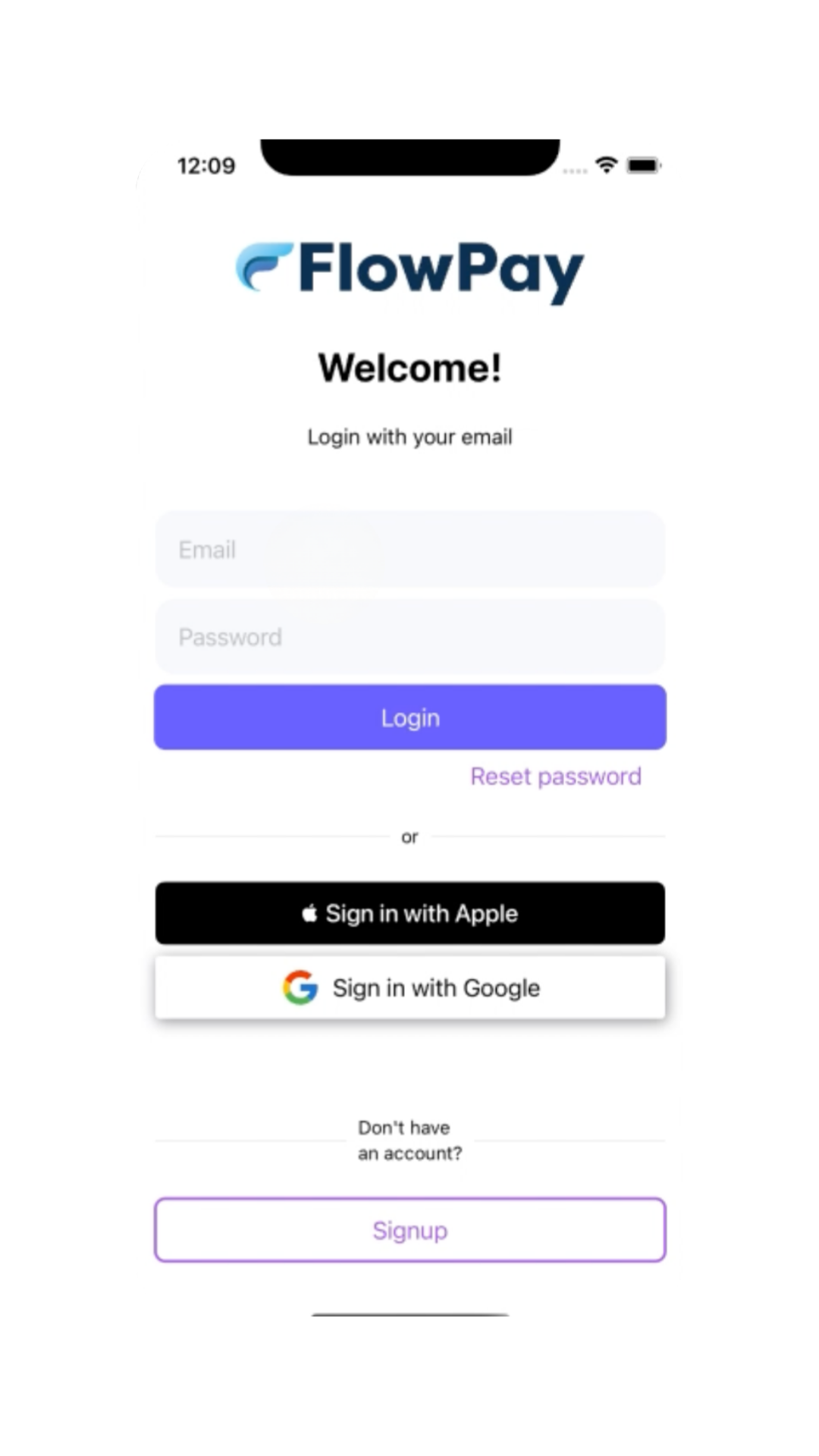
Early checkout login screen
Authentication
Early checkout company information screen
Company details
Early checkout bank selection screen
Bank selection
02
Complexity behind the interface

From a flow to a system.

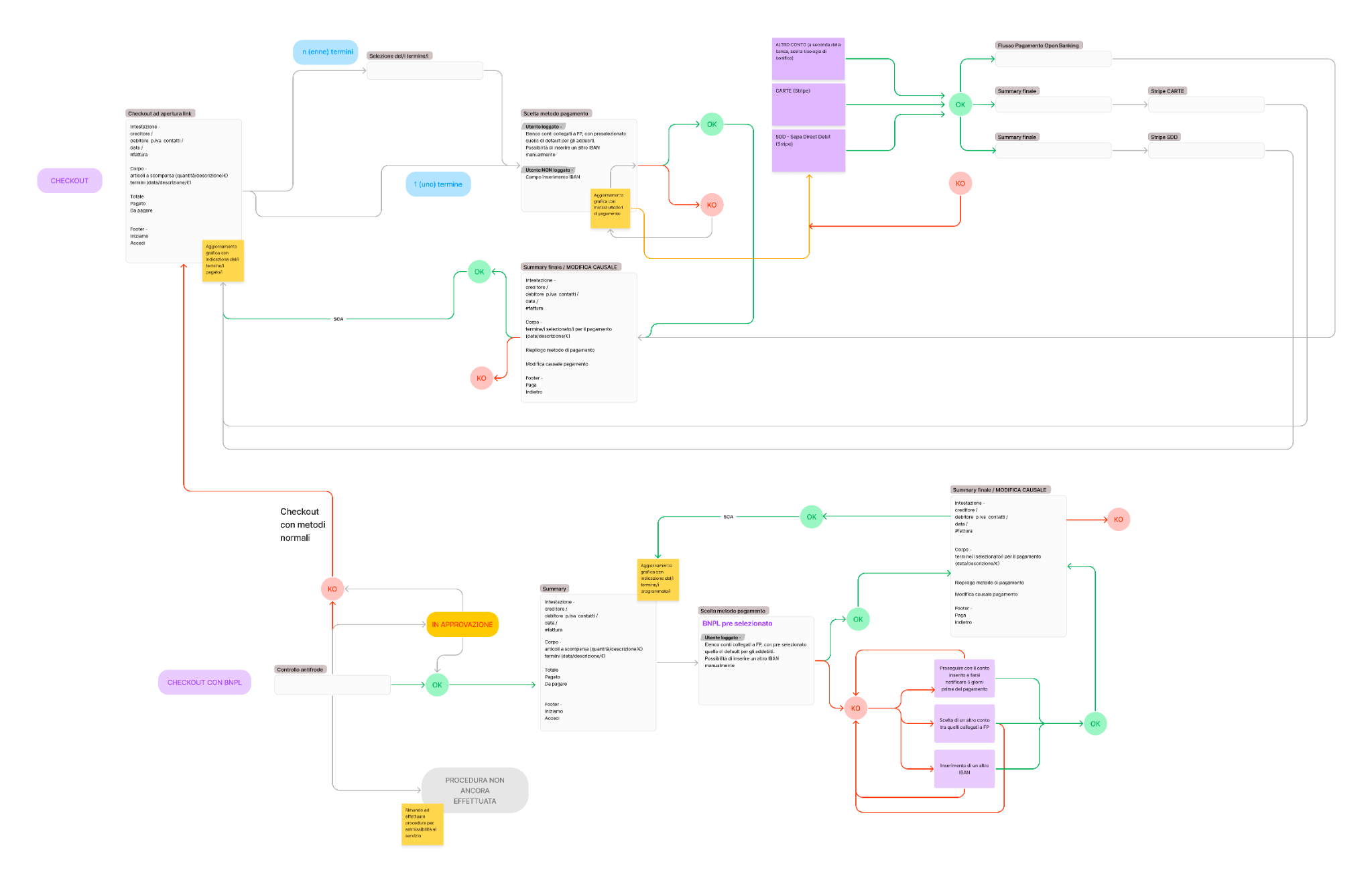
As the product evolved, new payment methods, user states, fallbacks and business rules created multiple interconnected journeys.

Mapping them helped me understand where complexity belonged in the system, and where it shouldn't reach the user.

Checkout flow map showing standard payment, BNPL, success, failure and fallback paths
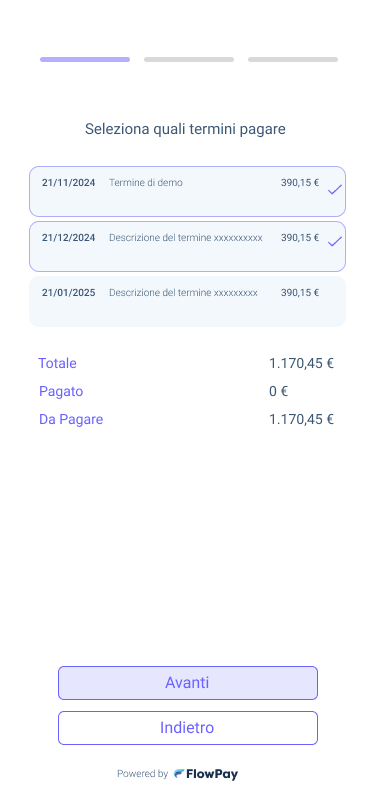
Intermediate checkout term selection screen
Term selectionHandling multiple payable terms inside the same journey.
Intermediate checkout payment method selection screen
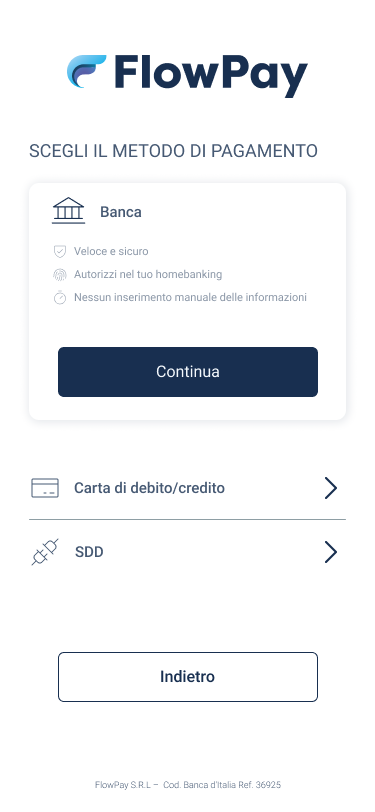
Payment methodIntroducing multiple ways to pay while preserving one coherent flow.
03
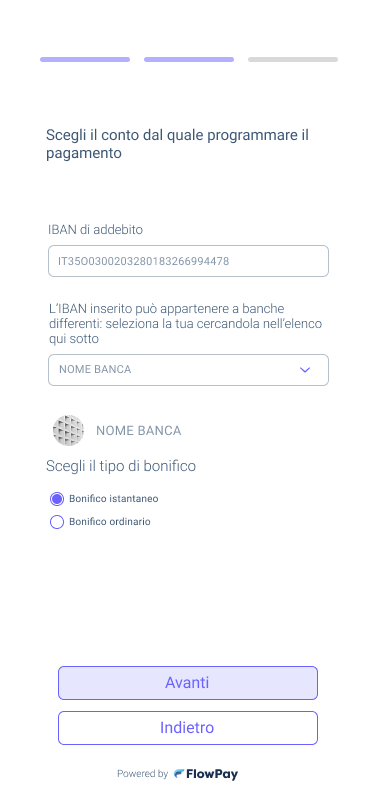
Designing for flexibility

One checkout, more ways to pay.

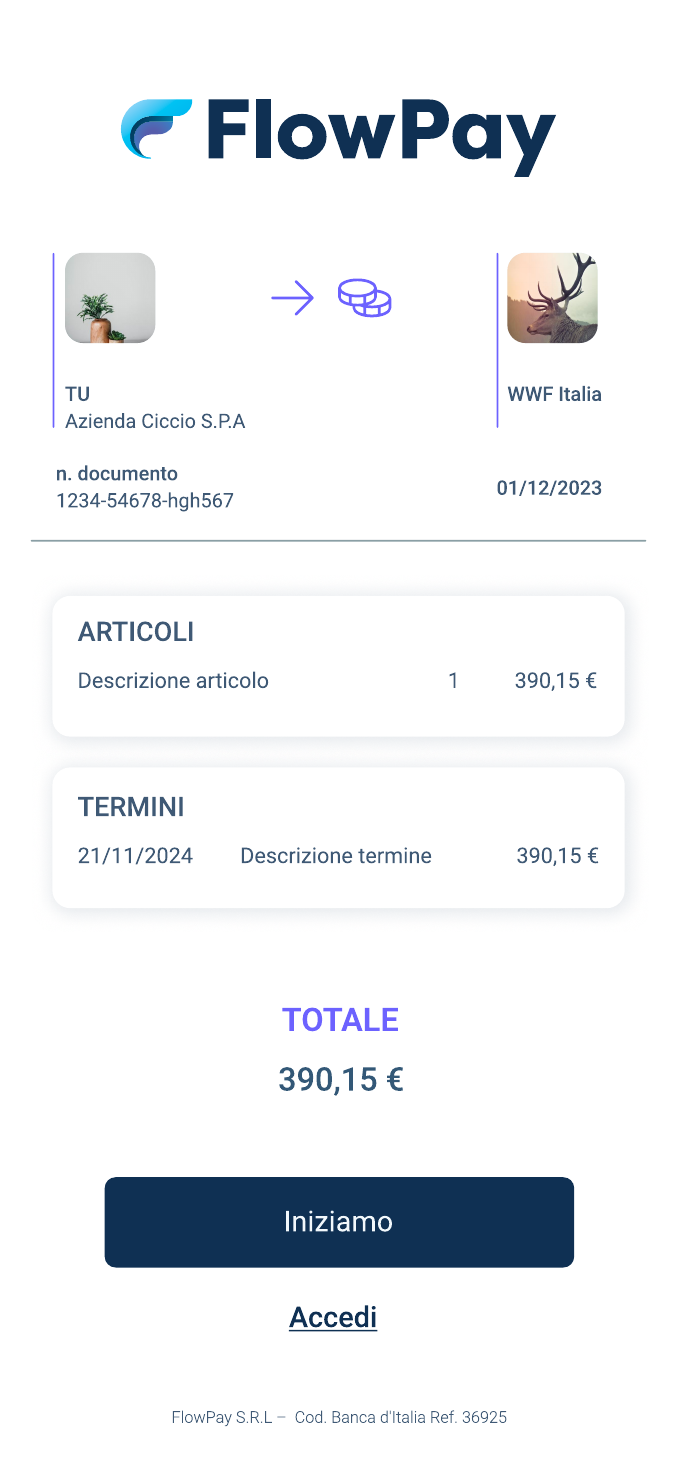
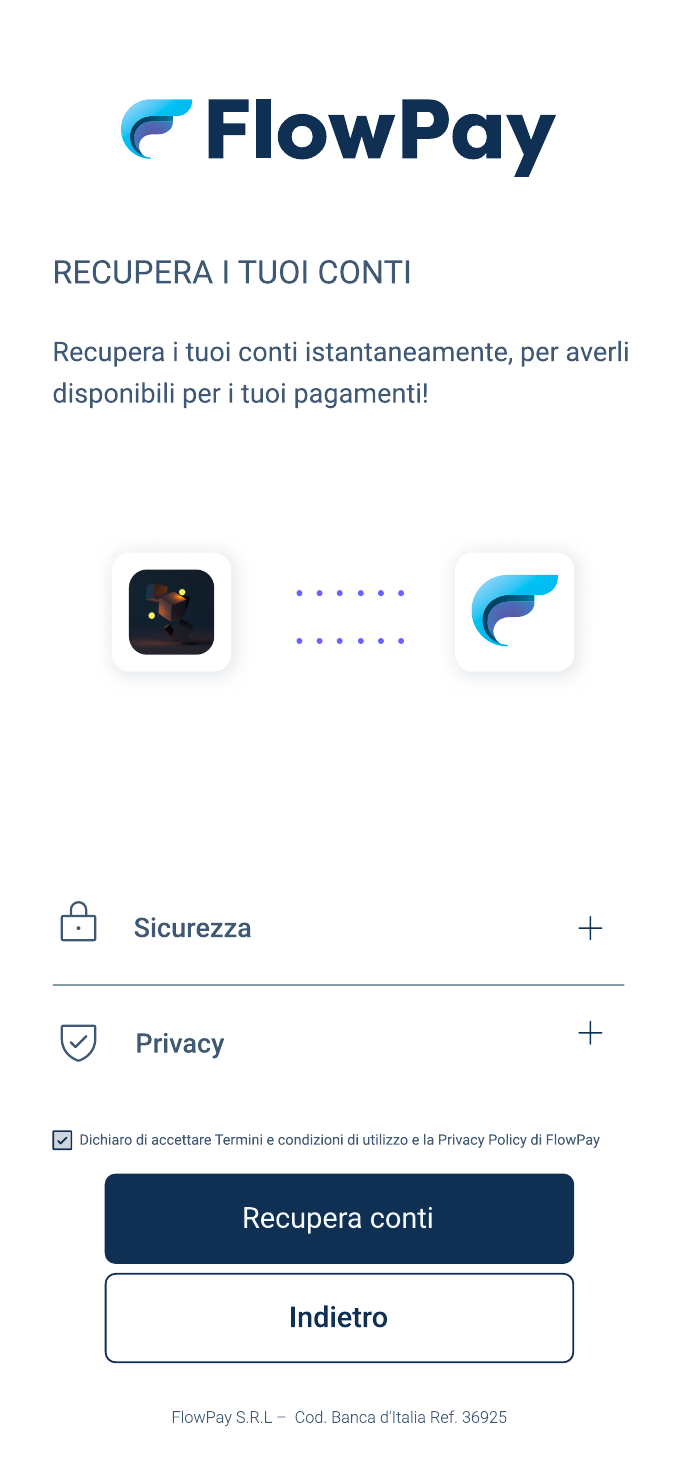
The checkout gradually moved from a single payment journey towards a more flexible experience able to accommodate different methods, payment conditions and user contexts.

Checkout overview
Checkout overview
Payment method selection
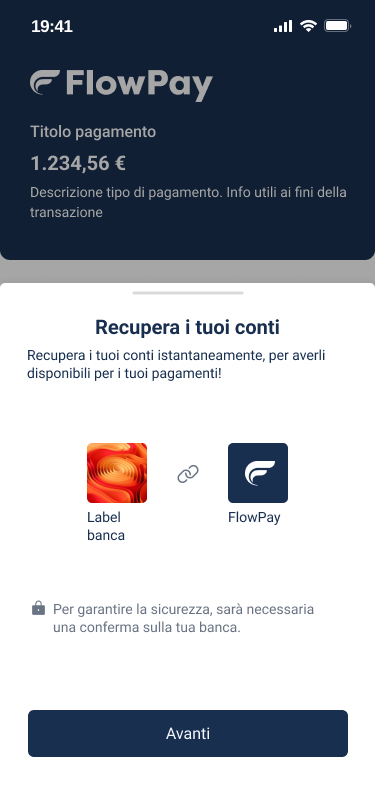
Recover accounts
Recover accounts
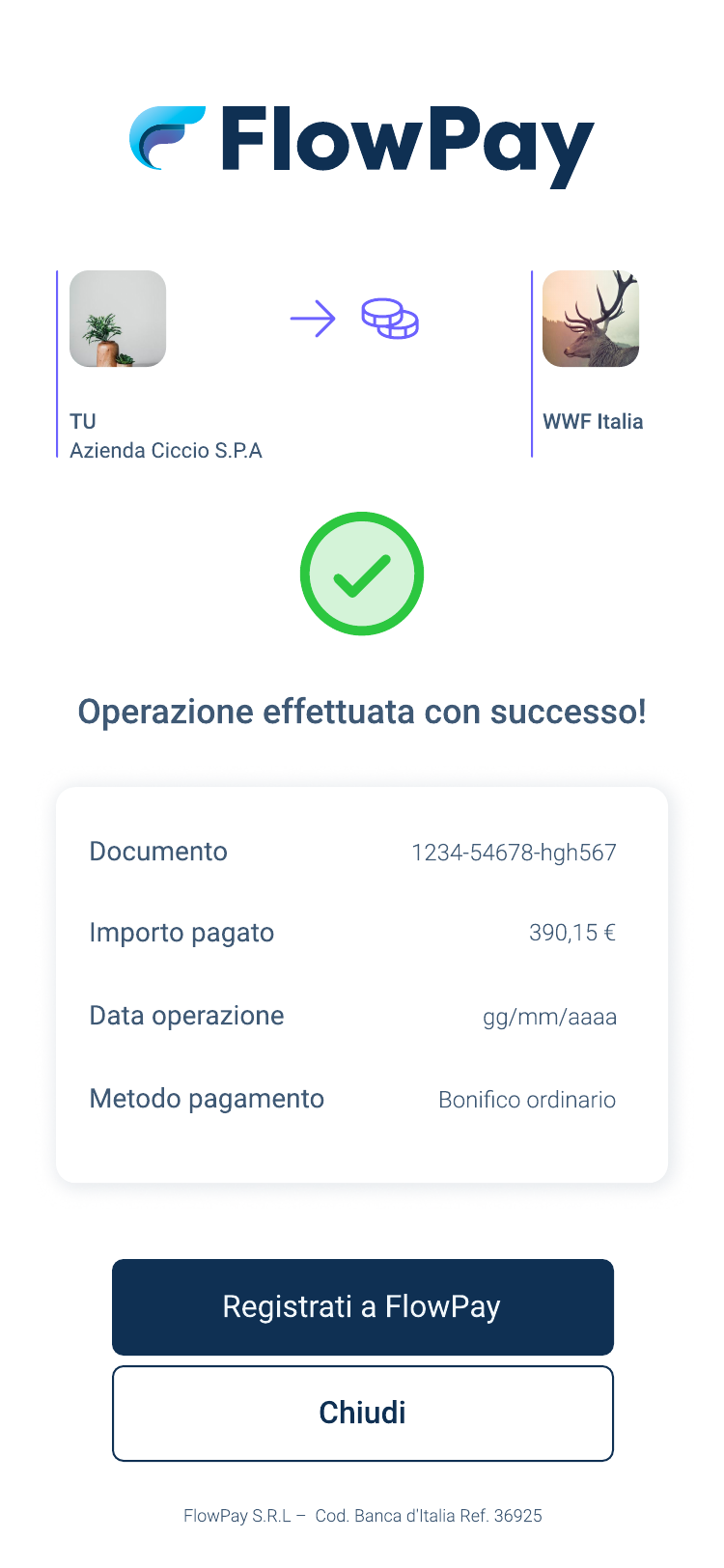
Post-payment receipt
Post-payment experience
04
The current experience

More capabilities and less complexity for the user.

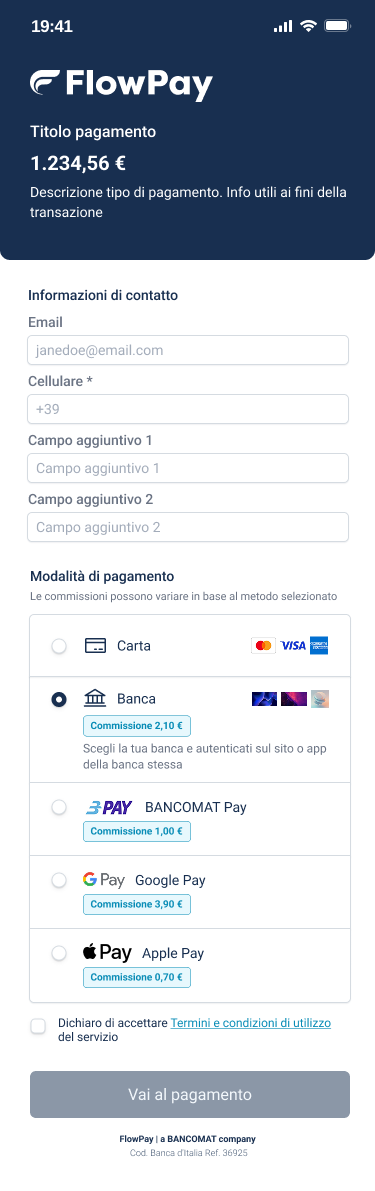
The current experience brings payment information, user identification and available payment methods into a clearer structure, while adapting the journey to the user's context and selected method.

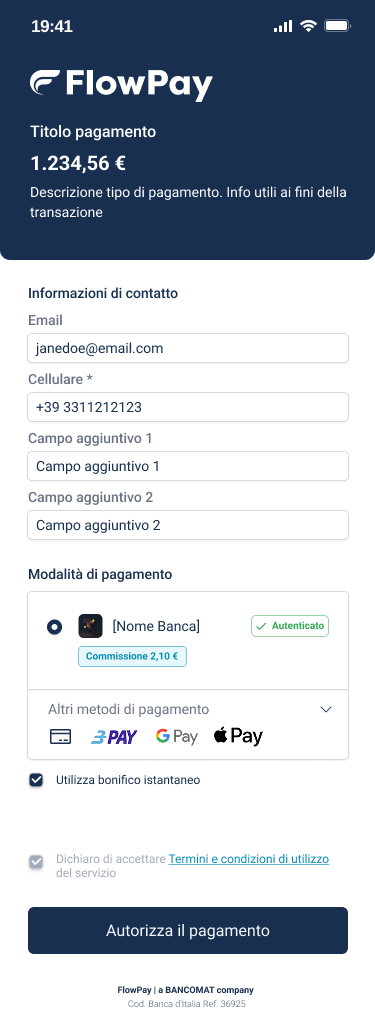
Current checkout with contact information and multiple payment methods
Main checkoutPayment context, contact information and available methods in one clear entry point.
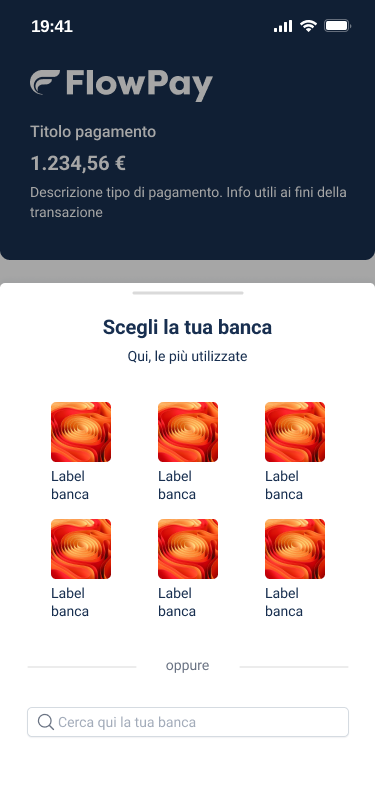
Current Open Banking bank selection screen
Bank selectionA focused step for choosing the bank inside the Open Banking journey.
Current account retrieval screen after bank selection
Account retrievalUsers connect the selected bank and retrieve available accounts for payment.
Current checkout for an authenticated returning user
Context-aware journeyWhen information and authentication are already available, the payment flow becomes shorter.
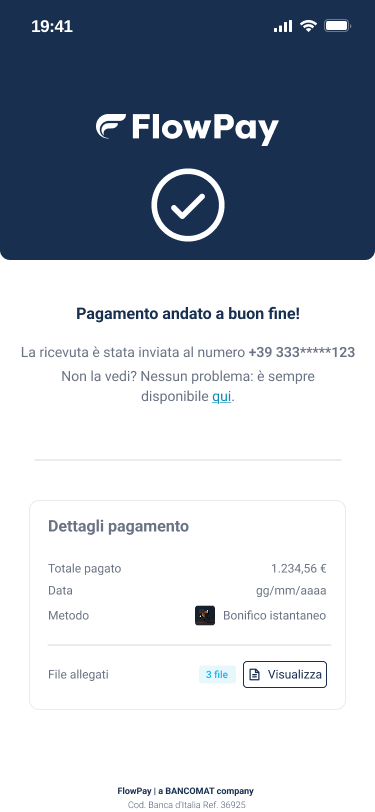
Current successful instant bank payment confirmation
Payment successThe journey closes with confirmation, receipt availability and payment details.
My contribution

What I worked on.

Interaction DesignUser FlowsPayment JourneysError & Fallback StatesResponsive DesignUX WritingPrototypingImplementation Review
Working with constraints

Designing within real constraints.

Payment experiences sit at the intersection of user needs, technical capabilities, business requirements and regulation.

I worked closely with product, engineering and compliance to translate those constraints into interactions users could understand and trust.

The outcome

A more flexible payment experience.

What began as an existing checkout became a more flexible experience designed to support different scenarios without exposing the complexity behind them.

Next case study
Bringing financial activity into one clear experience